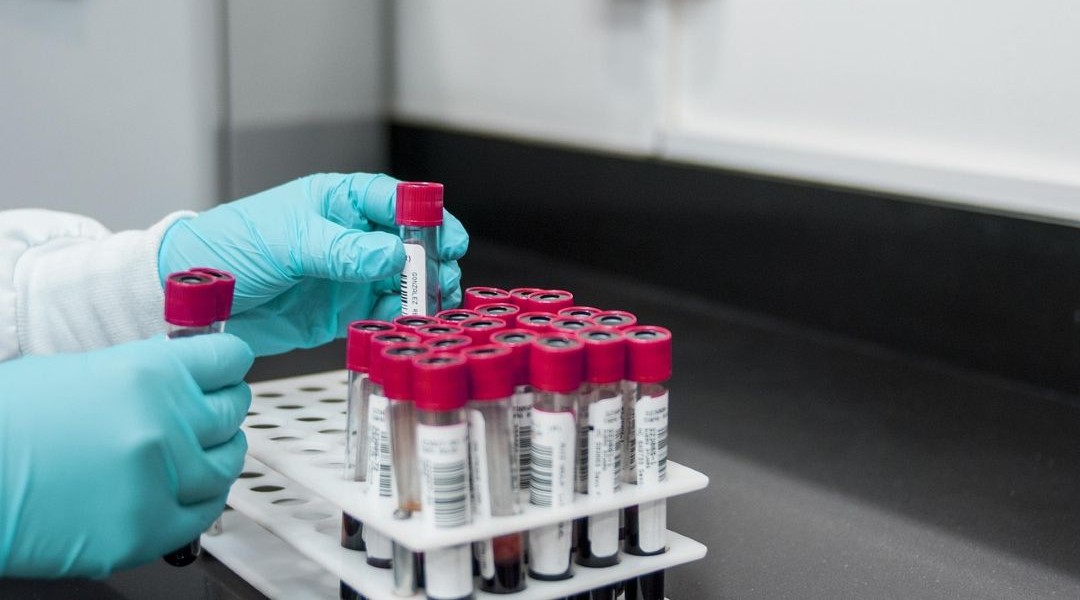
• Implementing multi-cancer blood tests in routine screening could help doctors diagnose cancer at earlier stages, when treatment is more effective and patients are more likely to survive the cancer. • Harvard researchers have simulated the long-term effects of introducing this type of cancer testing in routine screening. • According to their predictions, yearly screenings with a multi-cancer blood test would massively shift cancer detection to earlier stages over the course of 10 years, reducing by 45% the number of late-stage diagnoses, where the cancer has spread and often become resistant to treatment. • “Our analysis shows that multi-cancer blood tests could be a game changer for cancer control,” said Jagpreet Chhatwal, lead author of the study and director of the Institute for Technology Assessment at Massachusetts General Hospital and Harvard Medical School. • “By detecting cancers earlier-before they spread-these tests could potentially improve survival and reduce the personal and economic burden of cancer.” In the U.S., about half of cancer cases are diagnosed at an advanced stage. • Despite the importance of early diagnosis, routine screening is currently recommended for only four types of cancer: breast, cervical, colorectal, and lung cancer.
Article Summaries:
- Implementing multi-cancer blood tests in routine screening could help doctors diagnose cancer at earlier stages, when treatment is more effective and patients are more likely to survive the cancer. Harvard researchers have simulated the long-term effects of introducing this type of cancer testing in routine screening. According to their predictions, yearly screenings with a multi-cancer blood test would massively shift cancer detection to earlier stages over the course of 10 years, reducing by 45% the number of late-stage diagnoses, where the cancer has spread and often become resistant to tre
Sources:
- https://www.advancedsciencenews.com/a-single-blood-test-could-spot-multiple-cancers-early-saving-lives/ (Latest source article published: 2026-02-16 06:01 UTC)