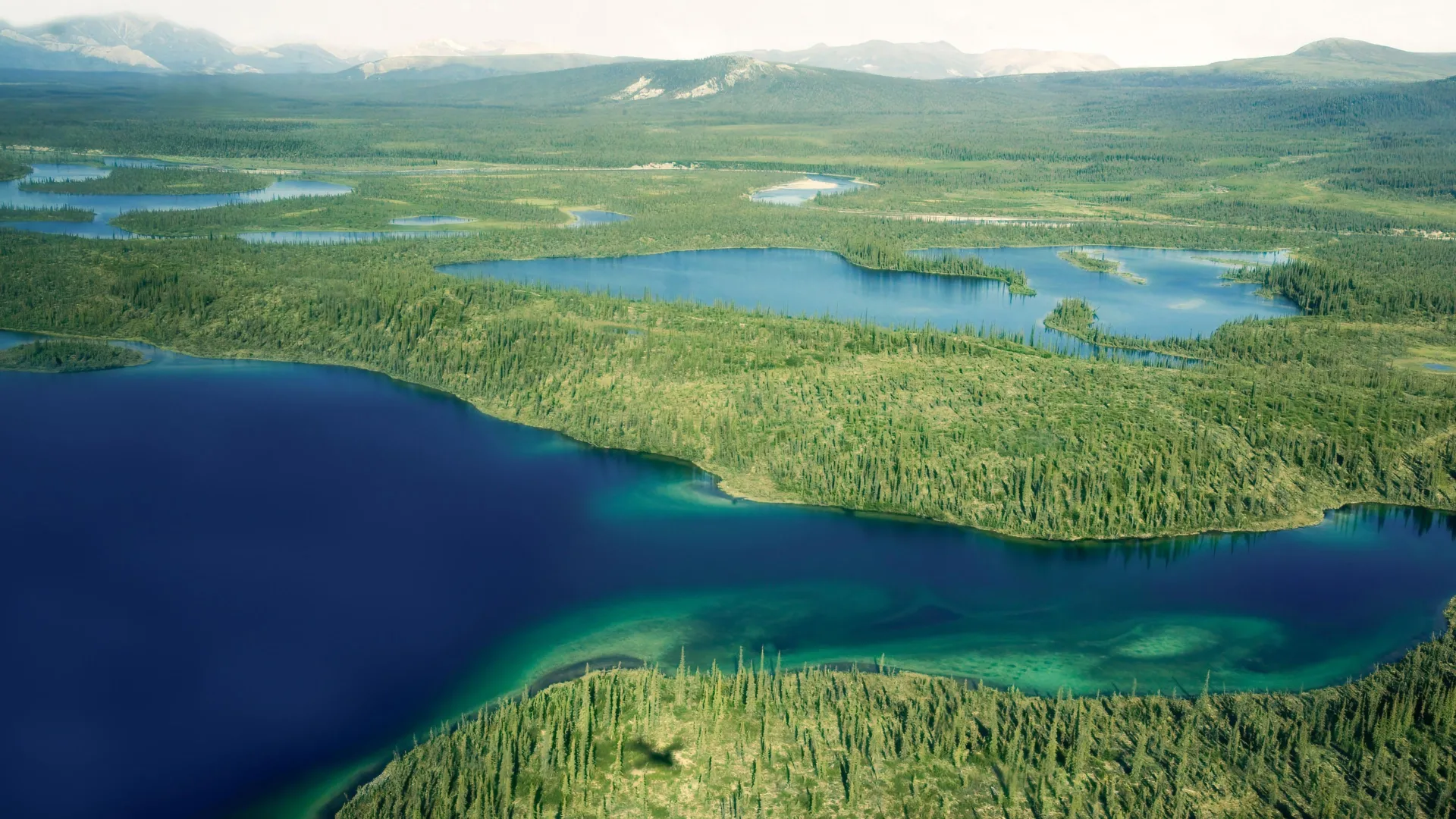
• A simple water shift could turn Arctic farmland into a carbon sink In their natural condition, peatlands rank among the planet’s most important carbon reservoirs. • The soil is saturated with water and contains very little oxygen, which slows the breakdown of dead plants. • Instead of fully decomposing, plant material builds up layer upon layer over thousands of years, forming deep deposits of peat that lock away carbon for the long term. • That balance changes when peatlands are drained for farming. • Lowering the water table allows oxygen to enter the soil, speeding up microbial activity. • As microbes break down the previously preserved plant matter, carbon that has been stored for centuries is released into the atmosphere as carbon dioxide (CO2).
Article Summaries:
- A two‑year field study in northern Norway found that raising groundwater levels in cultivated Arctic peatlands can dramatically cut carbon dioxide emissions and, in some plots, turn the land into a net carbon sink. Researchers at NIBIO’s Svanhovd station monitored CO₂, methane, and nitrous oxide across five plots with varying water tables, fertilizer use, and harvest frequency. While higher water tables slowed peat decomposition and reduced CO₂ release, they also increased methane and, under certain conditions, nitrous oxide. Overall, the net greenhouse‑gas balance improved, suggesting that simple water‑level adjustments could help Arctic farmland mitigate climate‑change impacts.
Sources: