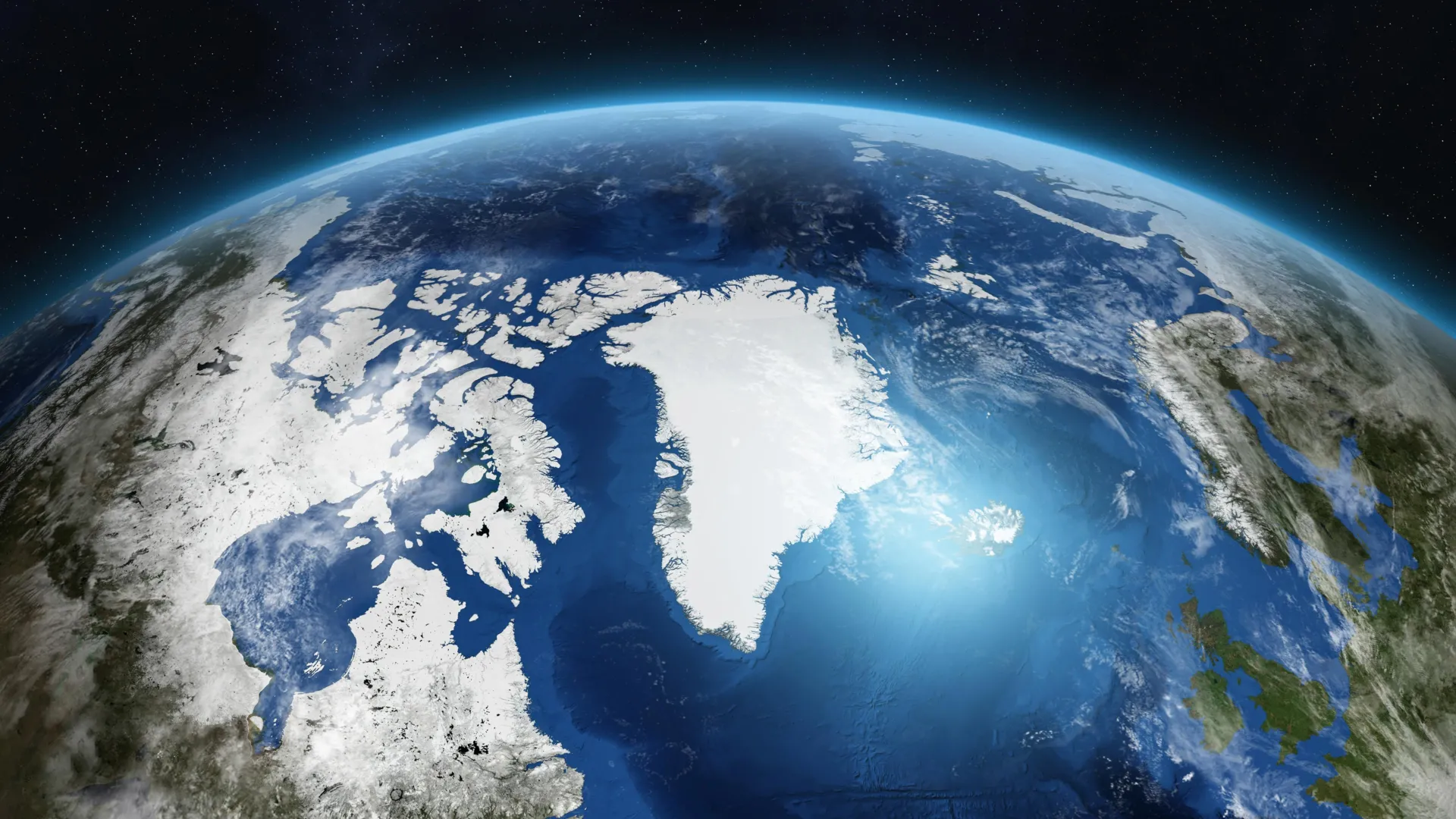
• A satellite illusion hid the true scale of Arctic snow loss For decades, assessments from the United Nations’ Intergovernmental Panel on Climate Change (IPCC) have tracked how Earth’s climate is shifting and have helped shape policies aimed at slowing global warming. • Those assessments draw on extensive climate records, including annual measurements of autumn snow cover in the Northern Hemisphere collected by the U.S. • National Oceanic and Atmospheric Administration (NOAA) since the 1960s. • Why Snow Cover Matters for Climate Change Snow cover measures how much of Earth’s land surface is blanketed in snow. • It plays a major role in regulating temperature because snow reflects a large portion of incoming energy back into space. • While bare ground and vegetation reflect less than 50 percent of the energy that reaches them, snow reflects about 80 percent.
Article Summaries:
- Summary
A recent University of Toronto study overturns a long‑standing view that autumn snow cover in the Northern Hemisphere has been increasing. Researchers found that earlier satellite data, which suggested a 1.5 million km² per decade rise, were biased by gradual improvements in satellite sensitivity to thin snow layers. The updated analysis shows that snow extent has actually been shrinking by roughly 0.5 million km² per decade-about half the area of Ontario. The finding underscores the importance of snow‑albedo feedbacks in Arctic amplification and highlights the need for careful calibration of long‑term climate datasets.
Sources: