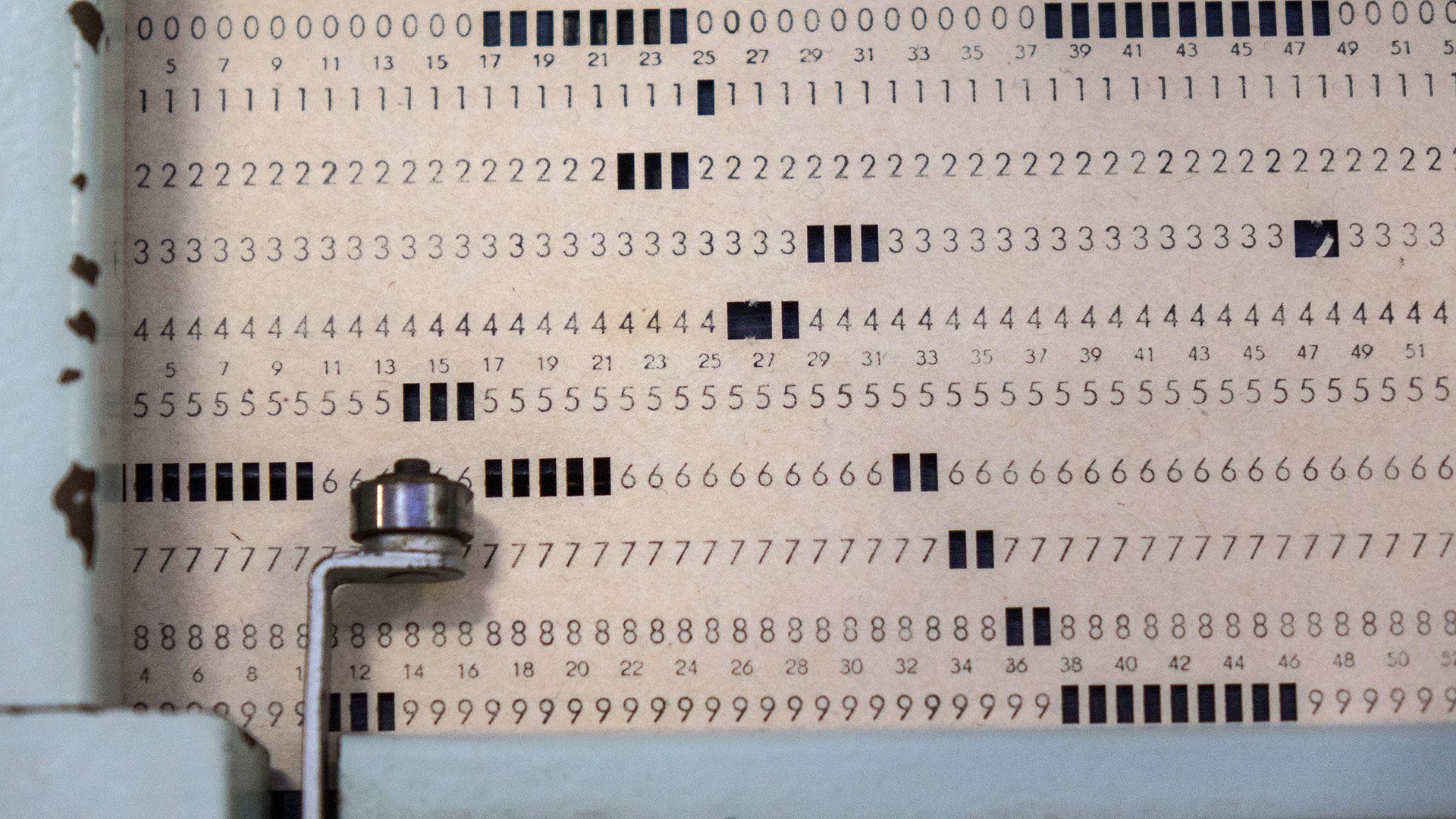
• 55 years ago, the first computer search warrant was issued - in February 1971, a Santa Clara judge authorized police to seize punch cards and a ‘computer memory bank’ Authorities were looking for a trade secret. • Stories involving digital forensics remain very topical over half a century later. • Get Tom’s Hardware’s best news and in-depth reviews, straight to your inbox. • You are now subscribed Your newsletter sign-up was successful 55 years ago, in a courthouse serving the San Jose-Milpitas district of Santa Clara County, a judge for the first time signed a search warrant that treated a computer system as something that could be searched, and its content seized. • Dated February 19, 1971, the order authorized Oakland Police to enter offices in Palo Alto and homes in Menlo Park to look not just for papers but also for data stored on machines. • The case involved University Computing Company and a program described in court documents as a remote-plotting system (a trade secret) valued at $15,000, or around $120,000 today.
Article Summaries:
- In February 1971, a Santa Clara County judge issued the United States’ first computer search warrant, authorizing Oakland police to seize punch cards and a “computer memory bank” from a Palo Alto company. The warrant targeted a remote‑plotting program, a trade secret worth $15,000 (≈$120,000 today). The affidavit requested both physical punch cards and electronic storage devices, reflecting the era’s struggle to treat intangible data as property. The case, involving the University Computing Company, marked a milestone in digital forensics, illustrating early efforts to preserve and analyze computer‑based evidence.
Sources: