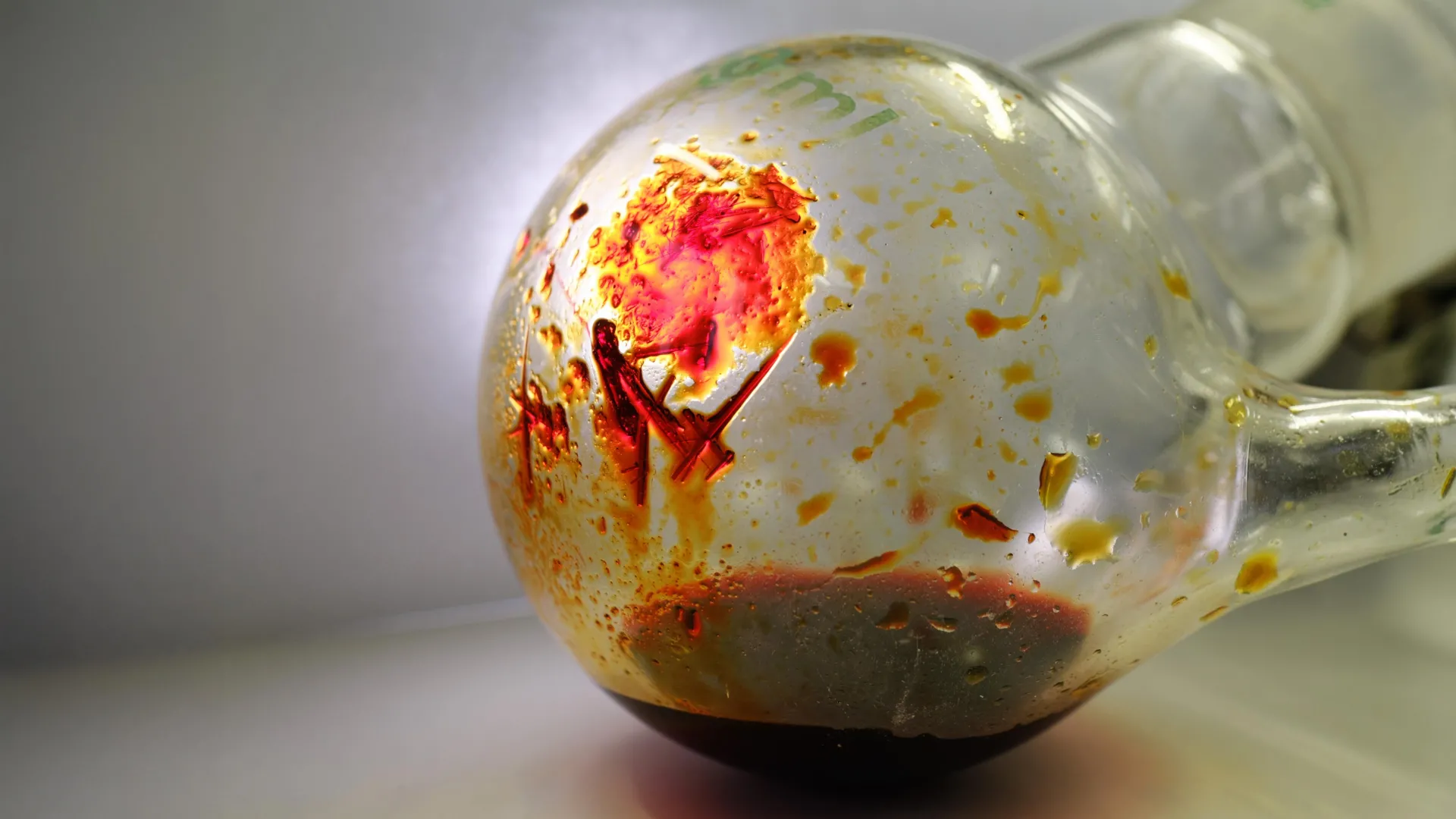
• 50 year quest ends with creation of silicon aromatic once thought impossible Major scientific advances often require patience, and this discovery is a prime example. • After nearly 50 years of theory and repeated failed attempts by research groups around the world, David Scheschkewitz, Professor of General and Inorganic Chemistry at Saarland University, and his doctoral student Ankur – collaborating with Bernd Morgenstern from Saarland University’s X-Ray Diffraction Service Centre – have achieved a long sought breakthrough. • Their findings have been published in the prestigious journalScience. • So what exactly did the team accomplish? • They successfully synthesized pentasilacyclopentadienide, a compound that chemists have tried to create for decades. • While the name may sound obscure, the achievement is significant.
Article Summaries:
- Summary
Saarland University chemists have successfully synthesized a silicon‑based aromatic molecule, pentasilacyclopentadienide, after nearly five decades of failed attempts. The team replaced the carbon atoms in the well‑known aromatic ring cyclopentadienide with silicon, achieving a compound that meets Hückel’s rule for aromaticity. Published in Science, the breakthrough demonstrates that silicon can form stable, planar aromatic rings, opening possibilities for new catalysts and materials in industrial chemistry. The discovery marks a significant advance in inorganic chemistry and could lead to innovative applications in plastics manufacturing and beyond.
Sources:
- https://www.sciencedaily.com/releases/2026/02/260224023205.htm (Latest source article published: 2026-02-24 16:50 UTC)