• Games Industry Resources Community Learning Support Development Unity Engine Build 2D and 3D games for any platform Download Plans and pricing Monetization In-App Purchase (IAP) Discover and manage IAP across stores Mediation Maximize revenue and optimize monetization Ad Quality Protect your app’s user experience Tapjoy Build long-term user loyalty All monetization products User acquisition User acquisition Get discovered and acquire mobile users Unity Vector AI Connect players with the right games Aura on-device advertising Reach users on-device at peak engagement All growth products Use cases 3D collaboration Build and review 3D projects in real time Immersive training Train in immersive environments Customer experiences Create interactive 3D experiences Industries Manufacturing Achieve operational excellence Retail Transform in-store experiences into online ones Automotive Elevate innovation and in-car experiences See all industries Technical library Documentation Official user manuals and API references Developer tools Release versions and issue tracker Roadmap Review upcoming features Glossary Library of technical terms Insights Case studies Real-world success stories Best practice guides Expert tips and tricks All resources What’s new Blog Updates, information, and technical tips News News, stories, and press center Community Hub Discussions Discuss, problem-solve, and connect Events Global and local events Community stories Made with Unity Showcasing Unity creators Liv
Article Summaries:
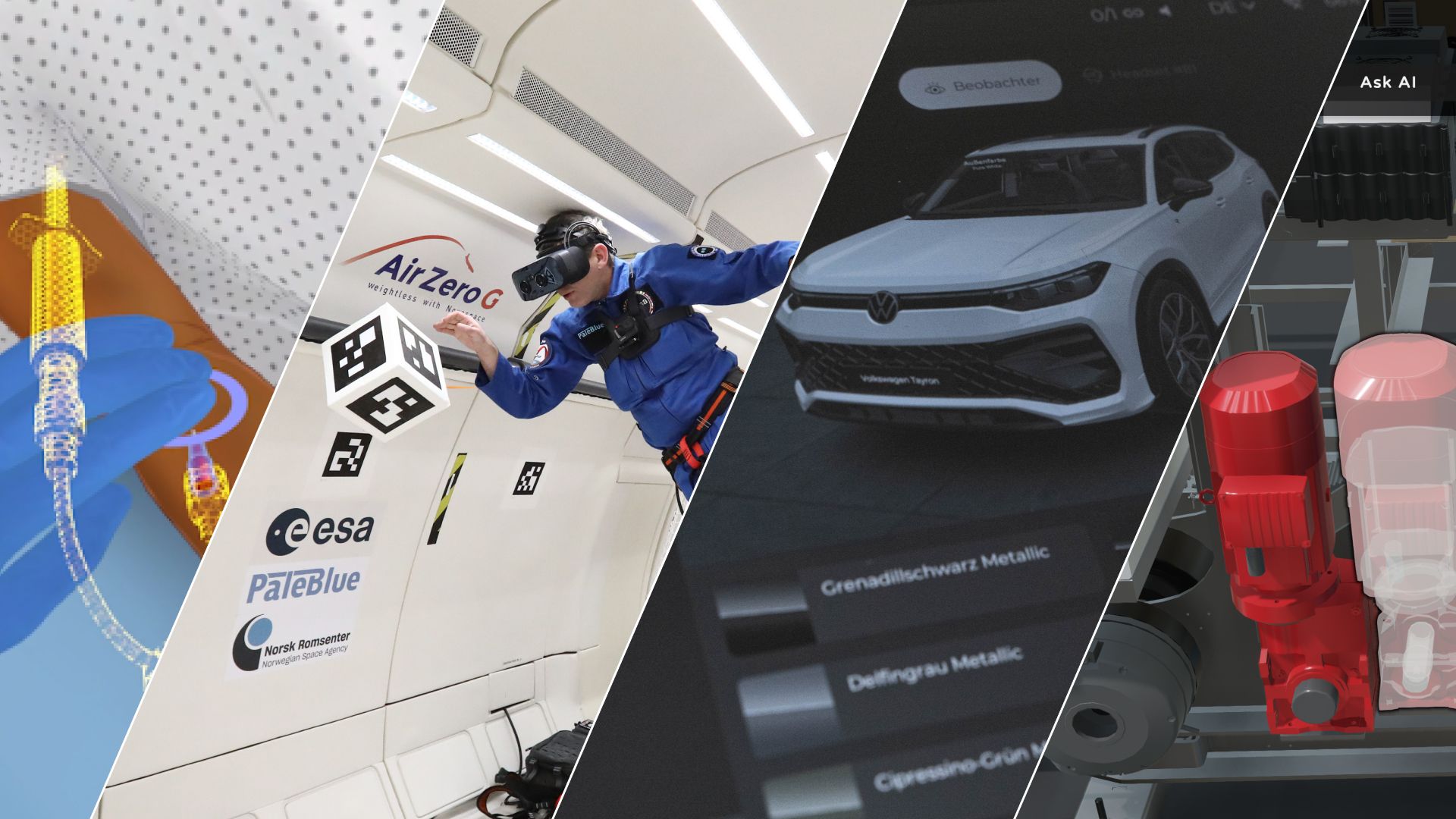
- Unity’s 2026 roadmap highlights five key industry‑shaping trends. First, AI‑driven tools such as Unity Vector AI and Aura on‑device advertising are enabling smarter user acquisition and personalized in‑app experiences. Second, monetization is expanding beyond traditional IAP, with mediation and ad‑quality solutions that protect user experience while maximizing revenue. Third, real‑time 3D collaboration and immersive training modules are accelerating product development and workforce upskilling across manufacturing, retail, and automotive sectors. Fourth, Unity’s cross‑platform build capabilities continue to support 2D/3D game creation for any device, reinforcing its core gaming market. Finally, a growing ecosystem of learning, support, and community resources is lowering entry barriers for new developers and educators.
Sources: