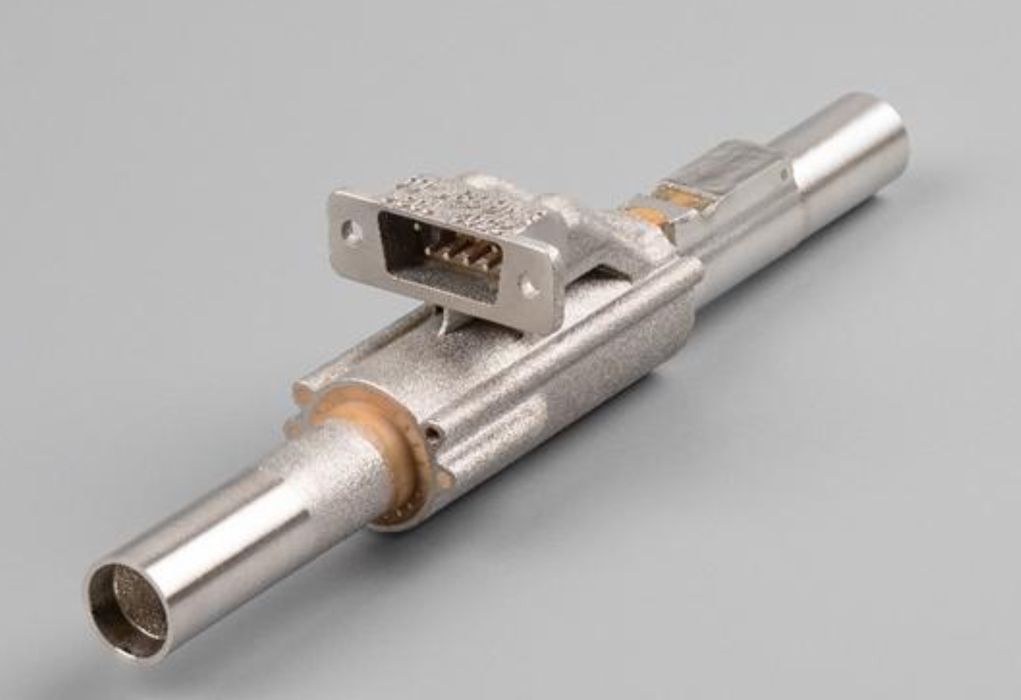
• A European team demonstrated a 3D printed, spacecraft-grade pipe segment with an embedded heater and temperature sensor to streamline thermal loop integration. • The work targets two-phase Mechanically Pumped Loops (MPLs), which are displacing traditional heat pipes in high-power telecom satellites. • MPLs need distributed heaters and Resistance Temperature Detectors (RTDs) to manage stratification and restarts, but today these are often bonded Kapton films and surface probes with fragile leads. • They are workable, but labor intensive and geometry limited. • By shifting to Design for Additive Manufacturing (DfAM) and consolidating features into the structure, the group set out to cut touch time in Assembly, Integration and Test while improving heat transfer around curved geometries. • Partners included CSEM (design and printed sensor), LISI Aerospace Additive Manufacturing (metal printing), and Thales Alenia Space (requirements and validation), with CERN support.
Article Summaries:
- A European consortium has produced a 3‑D‑printed spacecraft‑grade pipe segment that incorporates a resistive heater and a temperature sensor, aiming to simplify the integration of mechanically pumped loops (MPLs) in high‑power telecom satellites. The 150 mm, 316L stainless‑steel tube was fabricated by laser powder‑bed fusion, then machined and insulated. It contains a 60 W heater wound around the circumference, printed wiring, a D‑sub connector, and an Aerosol Jet‑printed resistance temperature detector (RTD) intended for -65 °C to +85 °C. Fifteen prototypes met mechanical, pressure‑cycling, and vibration tests, but the RTD’s resistance and accuracy fell short of targets, while the heater achieved the required thermal performance.
- A European team demonstrated a 3D printed, spacecraft-grade pipe segment with an embedded heater and temperature sensor to streamline thermal loop integration. The work targets two-phase Mechanically Pumped Loops (MPLs), which are displacing traditional heat pipes in high-power telecom satellites. MPLs need distributed heaters and Resistance Temperature Detectors (RTDs) to manage stratification and restarts, but today these are often bonded Kapton films and surface probes with fragile leads. They are workable, but labor intensive and geometry limited. By shifting to Design for Additive Manufac
Sources:
- https://www.fabbaloo.com/news/3d-printed-pipe-embeds-heater-and-sensor-for-space (Latest source article published: 2026-02-24 09:04 UTC)